Accepted Animals
Listed below is more information about the animals that Frina's Promise accepts into our care.
About Raccoons
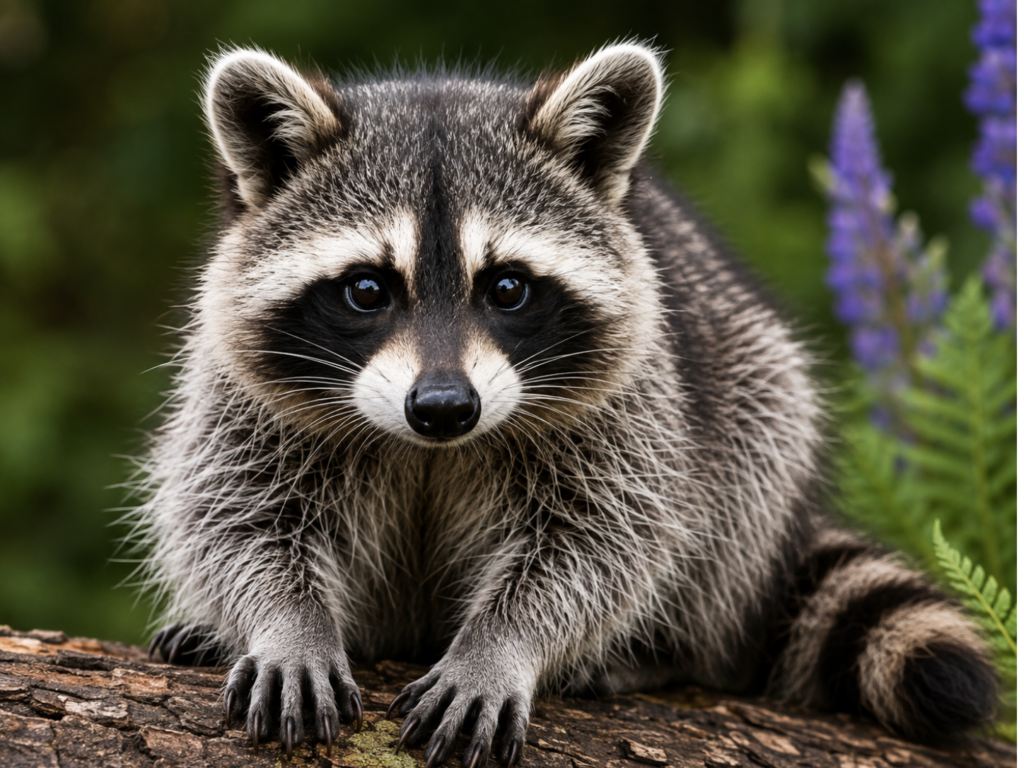
Raccoons are intelligent, adaptable mammals found throughout New Jersey. They are mostly active at night and use their highly sensitive front paws to explore and find food. Raccoons are omnivores and eat fruits, nuts, insects, eggs, fish, and other available foods.
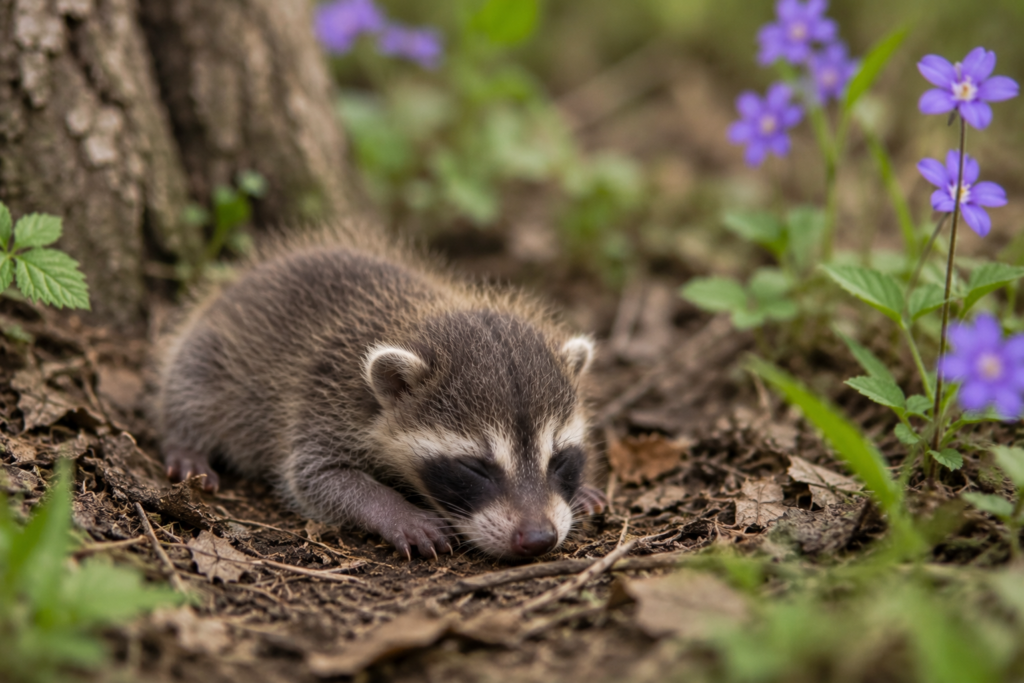
Baby raccoons, called kits, are born with their eyes closed and usually stay with their mother for many months. Raccoons do not truly hibernate, although they may remain in their dens during harsh winter weather.
What If I Found A Raccoon?
Keep your distance and keep children and pets away.
Don’t touch, feed, or move it.
A young raccoon alone is not necessarily orphaned—mom may be nearby.
If it appears injured, sick, or truly orphaned, contact a NJ-licensed wildlife rehabilitator or local animal control.
Raccoons are a rabies-vector species in New Jersey, so never handle one yourself.
About Skunks
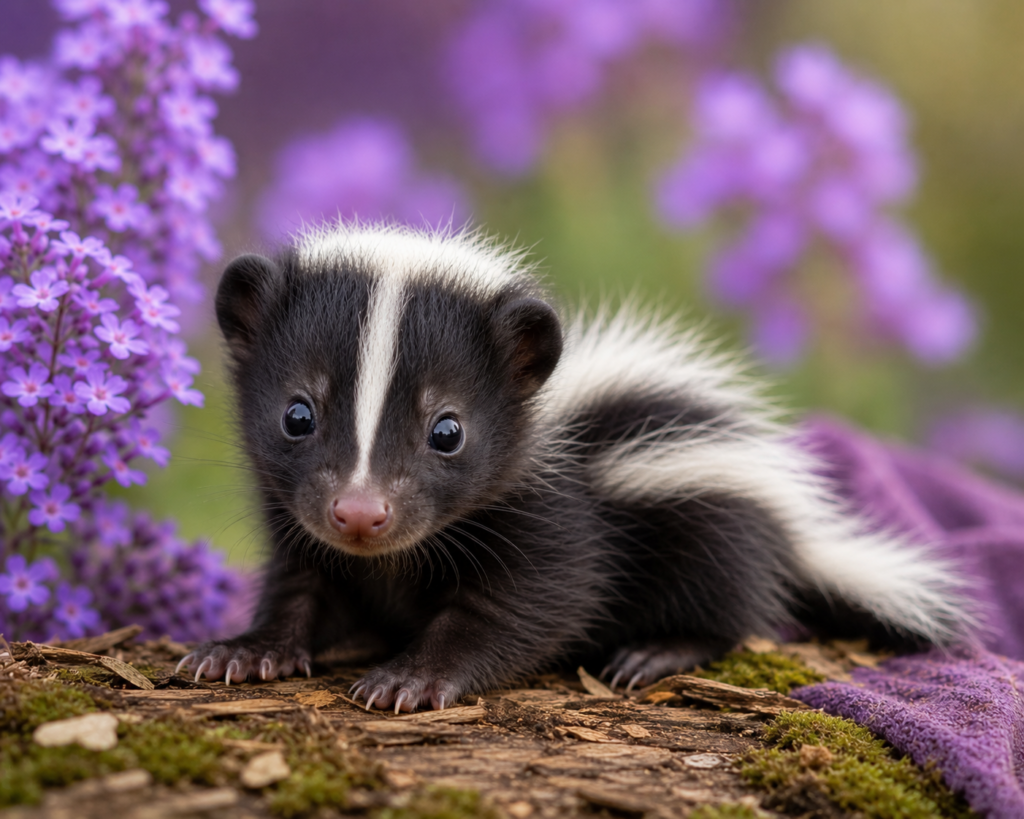
Skunks are generally shy and non-aggressive and would rather avoid trouble than spray. Before spraying, they may raise their tail, arch their back, or stomp their feet as a warning. Baby skunks are called kits and are born blind and deaf. Surprisingly, skunks are not true hibernators—they may stay in their dens for long periods during cold weather.
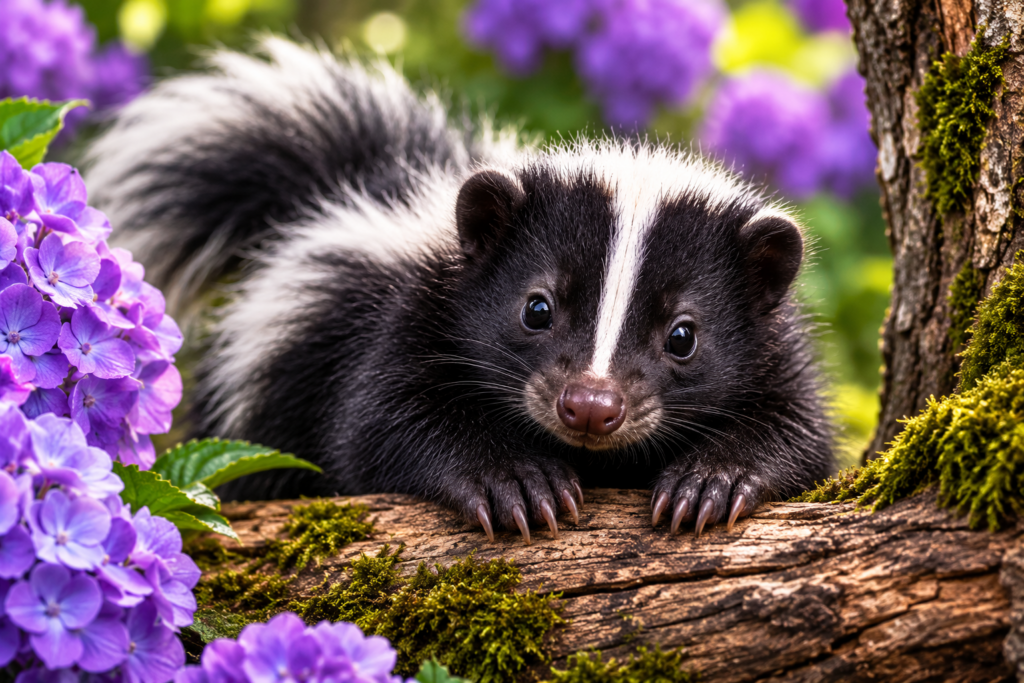
What If I Found A Skunk?
Give it plenty of space and keep pets and children away.
Never touch, feed, or try to capture it.
A baby skunk alone may not be orphaned—its mother could be nearby.
If it appears injured, sick, or truly orphaned, contact a NJ-licensed wildlife rehabilitator or animal control.
Skunks are considered high-risk rabies wildlife in New Jersey, so handling should be left to professionals.
About Squirrels
Eastern gray squirrels are active during the day and build leafy nests called dreys, as well as using tree cavities for shelter. Baby squirrels are born tiny, mostly hairless, and helpless and are cared for by their mother until they can survive independently. Squirrels also bury food in many different locations and use memory and smell to find it later.
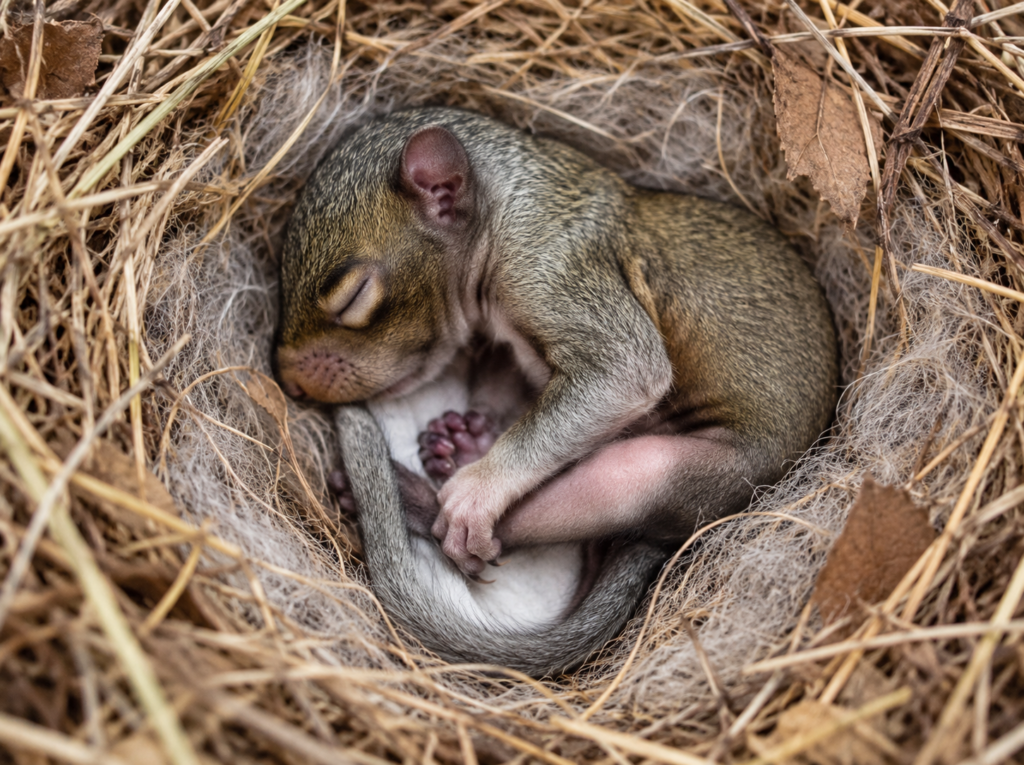
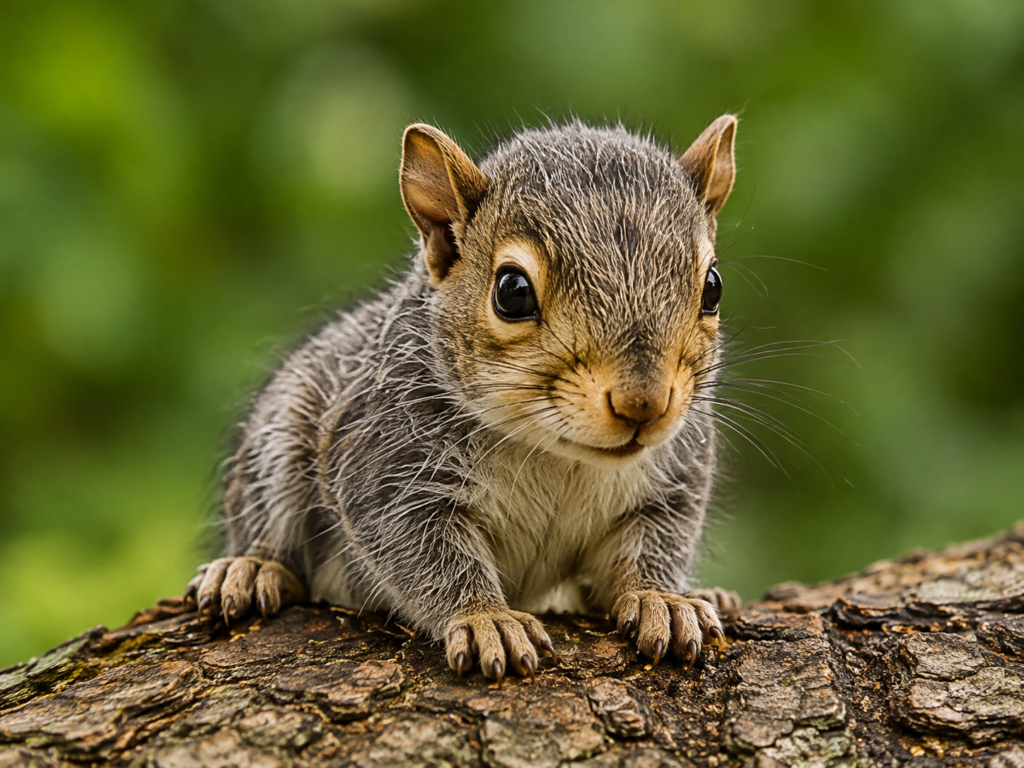
What If I Found A Squirrel?
Watch from a distance—a young squirrel may not need help.
Keep pets and children away.
Don’t feed it or take it home.
If it is injured, sick, or appears truly orphaned, contact a NJ-licensed wildlife rehabilitator before intervening.
About Bunnies
Eastern cottontails often make shallow nests on the ground, lined and covered with grass and fur. Mother rabbits intentionally spend long periods away from the nest and return to nurse their babies. Young cottontails grow very quickly and can be ready to leave the nest at only 3–4 weeks old.
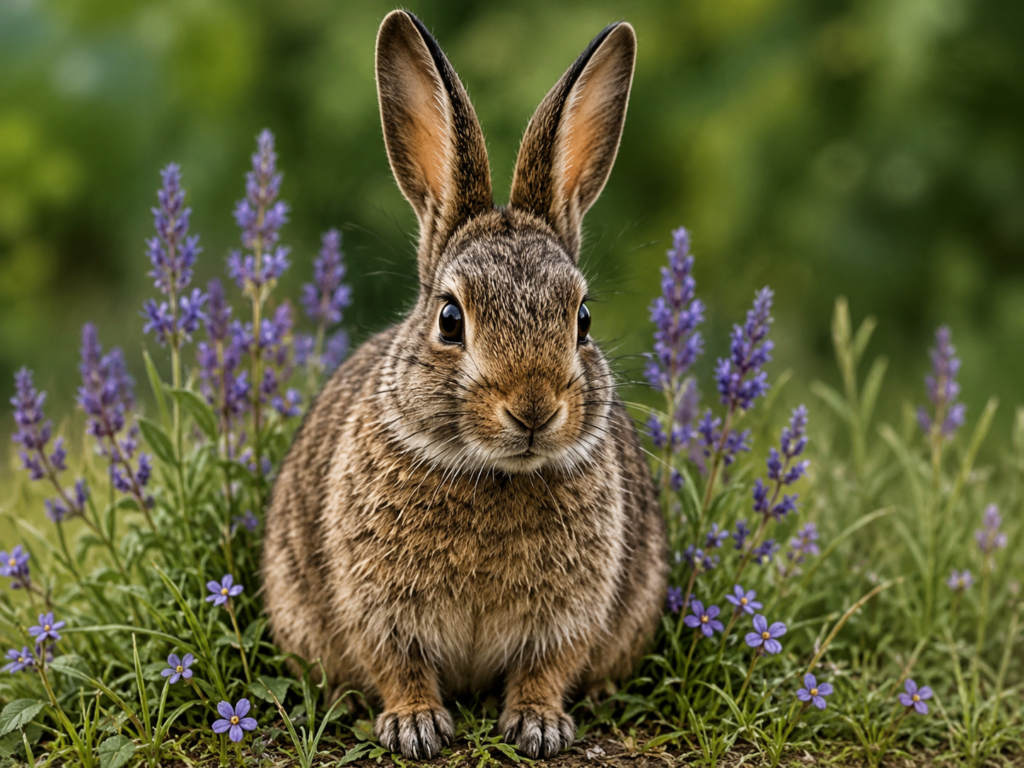
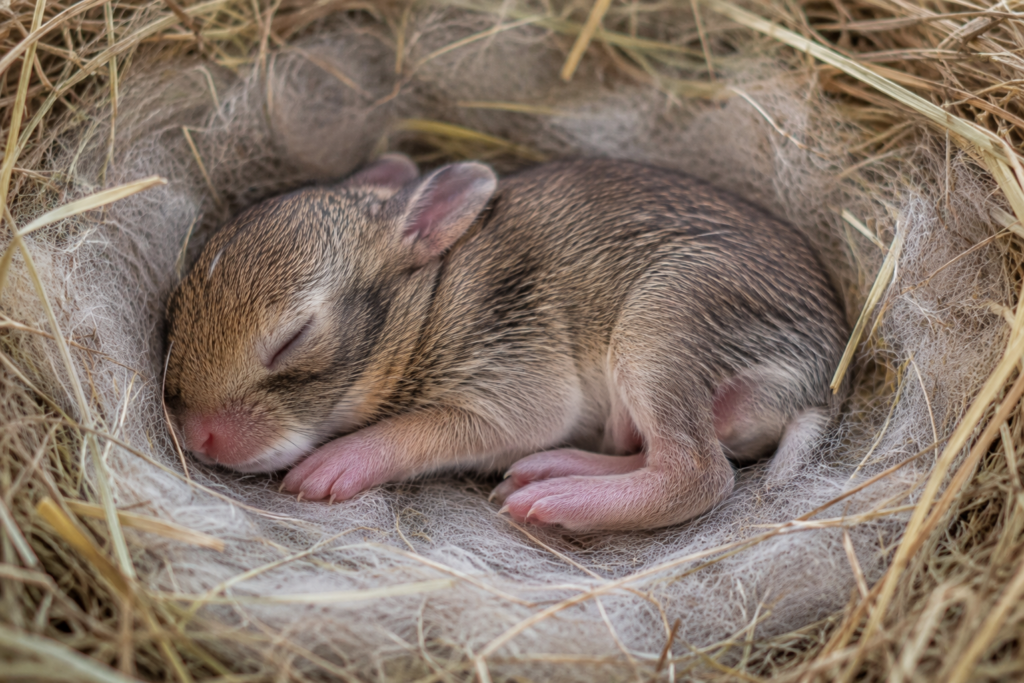
What If I Found A Bunny?
Check the Situation
- Leave them be: Most alone baby bunnies are not abandoned. Mother rabbits stay away to avoid drawing predators to the nest.
- Check the size: If the bunny is 4 to 5 inches long, has open eyes, upright ears, and hops around, it is old enough to live on its own.
- Test the nest: Place a tic-tac-toe pattern of thin twigs or grass over the nest. Check it 24 hours later. If the twigs are moved, the mother is returning to feed them.
When To Step In
- Injuries or danger: Call a local wildlife rehabilitator if the baby is bleeding, cold, injured, or touched by a cat or dog.
- Put it back: If you find a baby outside the nest and it looks healthy, gently place it back inside.
- Do not feed: Never try to feed a wild baby rabbit. They have a delicate digestive system and need specialized care.
About Opossums
Quick Facts
Classification & Size: Native American marsupials roughly the size of a house cat. Females carry young in a pouch.
Lifespan: 1–2 years in the wild.
Teeth & Grip: Feature 50 teeth (the most of any North American land mammal), opposable thumbs on their hind feet, and prehensile tails for climbing.
Venom Immunity: Highly resistant or immune to pit viper venom, including rattlesnakes.
Behavior: When threatened, young opossums play dead by going rigid, opening their eyes, and emitting a foul smell. Adults usually hiss or run.
Benefits: Act as natural pest control by eating thousands of ticks annually—reducing Lyme disease spread—along with rodents, garbage, and carrion.
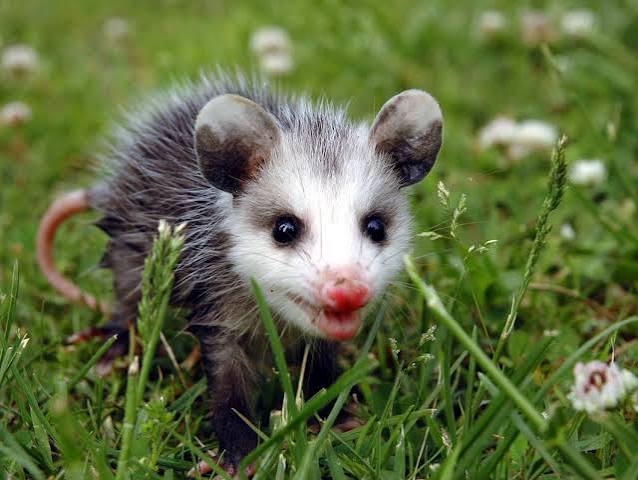
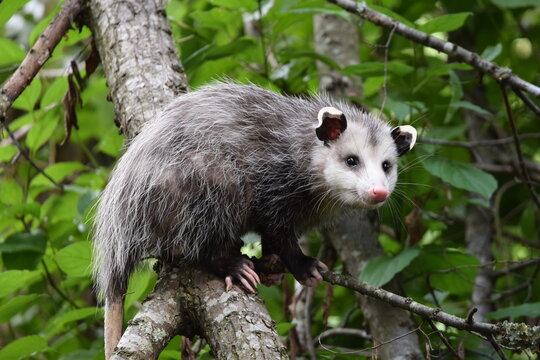
What If I Found An Opossum?
Opossums are generally harmless and extremely beneficial to have around since they eat pests like ticks, rodents, and snakes. Here is how to handle different situations if you encounter one:
Outdoor Encounter
-
Give it space: Do not attempt to touch, corner, or feed it.
-
Recognize “playing possum”: If threatened, an opossum may hiss, bare its teeth, or play dead (thanatosis). This is an involuntary reaction to stress. Leave it alone, and it will revive and wander off on its own once it feels safe.
-
Remove attractants: Secure garbage cans with tight-fitting lids and bring outdoor pet food or water bowls inside overnight.
Indoor Encounter (Garage, Porch, or House)
-
Create an exit path: Open an exterior door or ground-level window leading outside. Block off interior doors, keep pets and children away, and allow the animal time to exit quietly on its own.
-
Call for assistance: If the animal is trapped or refuses to leave, contact your local animal control or a licensed wildlife rehabilitator to assist with safe removal.
Injured or Baby Opossum
-
Check for joeys: If you find a deceased female along the roadside, check her pouch—there may be surviving young inside that can be saved.
-
Contact a specialist: Reach out immediately to a local wildlife rehabilitator for guidance before attempting to move or handle an injured adult or orphaned baby.
About Groundhogs
Groundhogs are the largest members of the squirrel family and are famous for their digging and true hibernation.
Physical Characteristics
Size: They grow 17 to 24 inches long and usually weigh between 8 and 14 pounds.
Teeth: Their front teeth never stop growing, so they constantly chew on wood and plants to keep them short.
Other Names: People also call them woodchucks, whistle-pigs, or land-beavers. They get the name “whistle-pig” because they make a high-pitched whistle sound when scared.
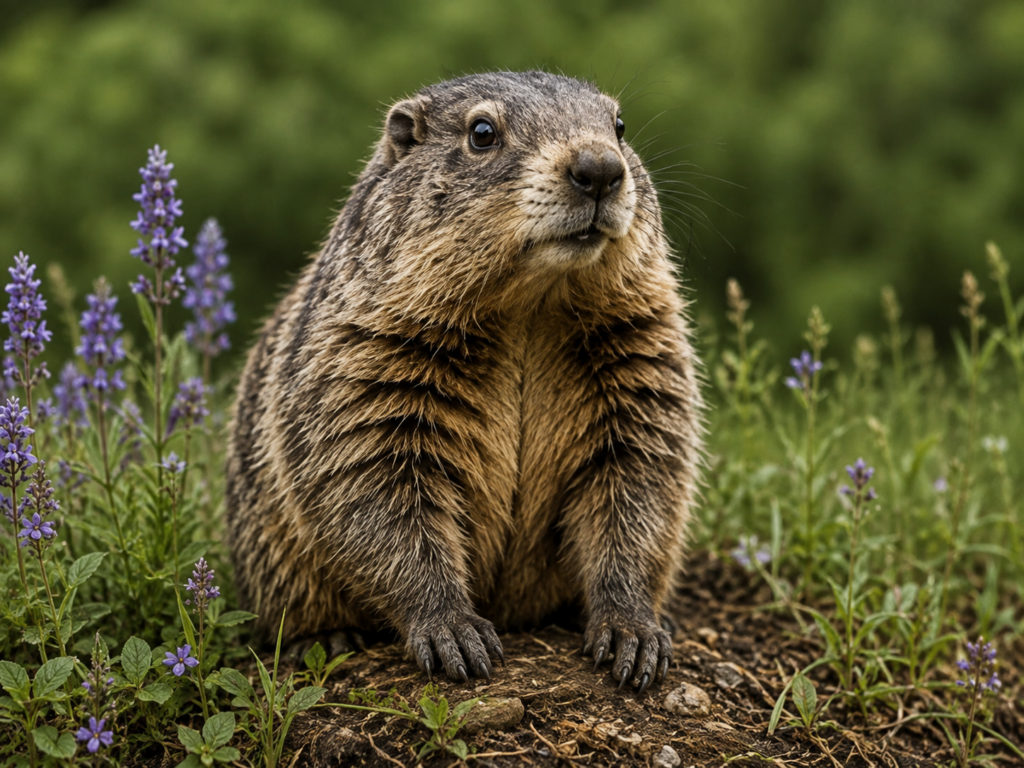
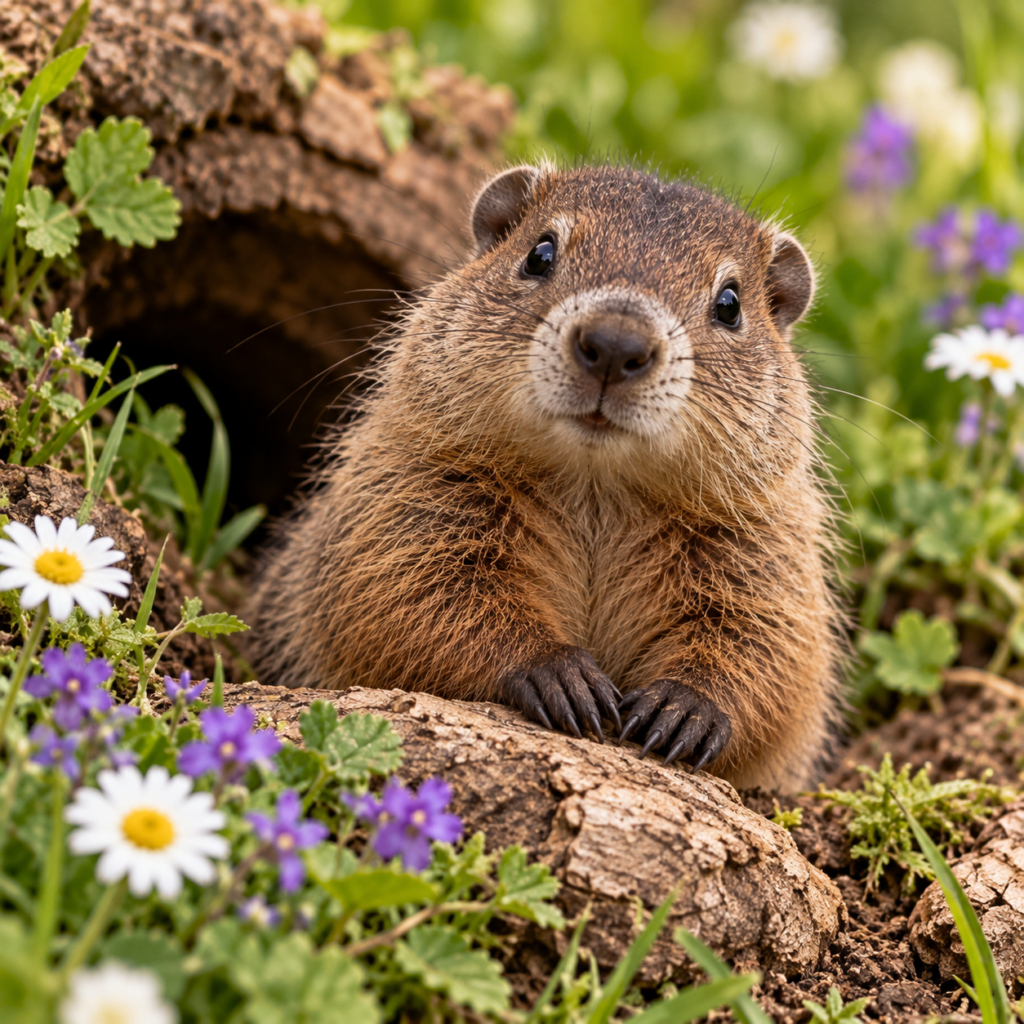
What If I Found A Groundhog?
Important Safety Notice: Rabies Vector Species
Rabies Risk: Groundhogs are a rabies vector species. Because they can carry and transmit rabies, do not attempt to touch or handle them with bare hands under any circumstances.
Orphaned Baby :
Leave the baby where you found it and observe from a distance for a couple of hours to see if a parent returns.
If no parent returns after a couple of hours, put on thick protective gloves and towel (never handle bare-handed).
Gently pick up the baby and place it in a box lined with an old t-shirt or fleece blanket.
Move the box to a warm, dark, safe, and quiet spot away from children and pets.
Call a licensed wildlife rehabilitator immediately.
DO NOT GIVE FOOD OR WATER.
Injured Baby:
Using thick protective gloves and towel, pick up the baby and place it in a box lined with an old t-shirt or fleece blanket.
Move it to a warm, dark, safe, and quiet spot away from children and pets.
Call a licensed wildlife rehabilitator immediately.
DO NOT GIVE FOOD OR WATER.
Injured Adult:
Do not attempt to capture or handle an adult groundhog.
Call a licensed wildlife rehabilitator immediately.
About Chipmunks
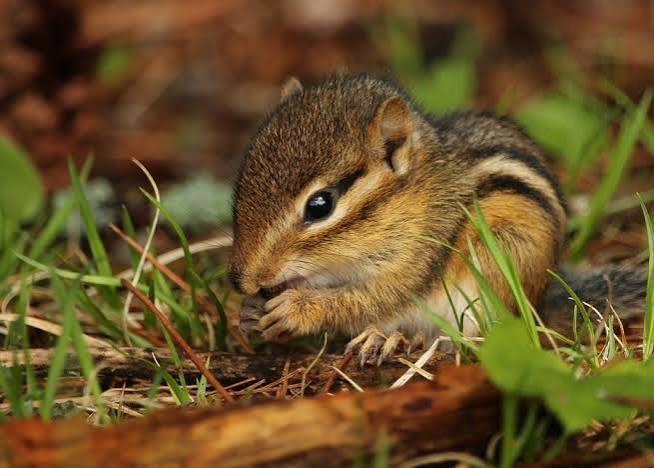
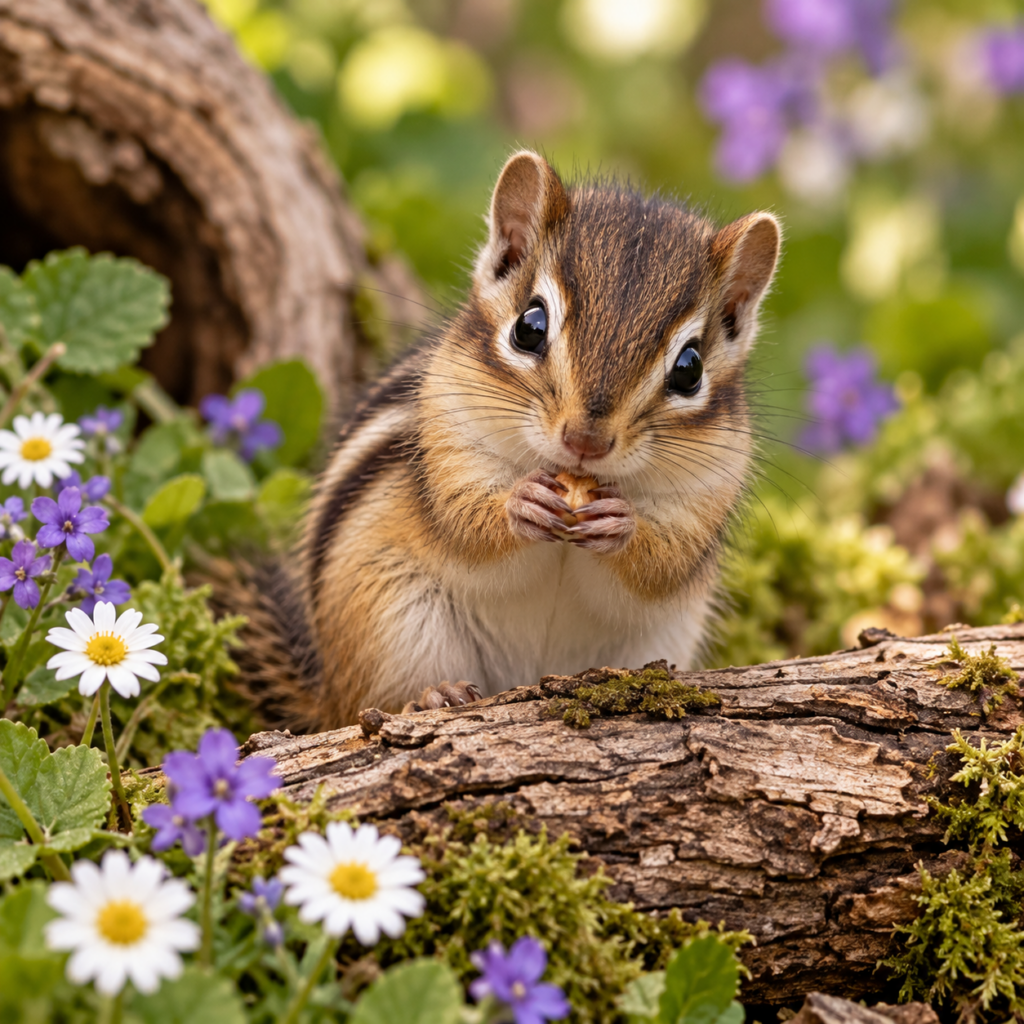
Chipmunks are small, striped rodents belonging to the squirrel family, known for their high energy and distinct appearance.
Physical Characteristics
Size: Small and agile, measuring 4 to 11 inches long and weighing under a pound.
Stripes: Marked with signature dark and light stripes along their backs and faces.
Cheek Pouches: Equipped with elastic cheek pouches that expand up to three times the size of their head for gathering and storing food.
Behavior & Habitat
Solitary Nature: Highly territorial, chipmunks generally live alone outside of the spring and late-summer breeding seasons.
Burrows: Exceptional diggers, they create extensive underground tunnel networks up to 30 feet long with designated chambers for sleeping, food storage, and waste.
Diet: As omnivores, their diet primarily consists of seeds, nuts, berries, fungi, and insects, as well as the occasional bird egg.
What If I Found A Chipmunk?
Check for a Den: If the baby is warm and active, look nearby for a small burrow entrance. Give the mother 2 to 3 hours to retrieve it.
Keep It Warm: Place the baby in a safe, shaded spot while waiting for the mother.
Get Professional Help: Raising wildlife without a permit is illegal. If the baby is cold, hairless, or has its eyes closed, contact a licensed wildlife rehabilitator (such as immediately
Handling an Injured Chipmunk
Do Not Offer Food or Water: Avoid feeding or watering a stressed or injured animal, as it can cause serious digestive harm.
Seek Immediate Care: If the chipmunk was caught or touched by a cat or dog, it requires urgent antibiotic treatment. Contact a local licensed rehabilitator or state wildlife agency right away.
Contain Safely: Wear thick gloves and gently place a towel or a ventilated box over the animal before moving it.